
Toxic Ingredients in Lipstick
Lipstick is one of the most chemically complex cosmetics on the market, combining pigments, waxes, oils, and preservatives into a product applied directly to the thinnest skin on your body. An FDA stu...
About Lipstick Safety
Lipstick is one of the most chemically complex cosmetics on the market, combining pigments, waxes, oils, and preservatives into a product applied directly to the thinnest skin on your body. An FDA study found detectable levels of lead in 400 commercially available lipsticks, with concentrations reaching up to 7.19 parts per million. Beyond lead, lipsticks frequently contain other heavy metals including cadmium, chromium, aluminum, and manganese — none of which are intentionally added but appear as contaminants in color additives. The average lipstick wearer ingests approximately 24 milligrams of product per day through eating, drinking, and unconscious lip contact. Synthetic dyes like D&C Red 6, D&C Red 7, and FD&C Red 40 are petroleum-derived colorants that have been associated with allergic reactions and, in some studies, hyperactivity in children. Selecting lipsticks made with mineral pigments and plant-based dyes significantly reduces your exposure to heavy metals and synthetic chemicals.
Most Dangerous Ingredients in Lipstick
Lead
A toxic heavy metal found as a contaminant in many cosmetic products, particularly lipsticks and hair dyes. There is no safe level of lead exposure. It accumulates in the body over time, primarily in bones, and causes irreversible neurological damage.
Phthalates
A group of plasticizing chemicals used to make cosmetics more flexible and fragrances last longer. Phthalates are potent endocrine disruptors linked to reproductive harm, developmental issues, and metabolic disorders.
Parabens
A class of synthetic preservatives used to prevent microbial growth in cosmetics and personal care products. Parabens can mimic estrogen in the body, raising concerns about endocrine disruption and links to breast cancer.
Carbon Black
A fine black powder produced by incomplete combustion of petroleum products. Widely used as a pigment in mascara, eyeliner, and eyebrow products. Carbon black is classified as possibly carcinogenic and poses significant inhalation risks.
Petroleum / Petrolatum
A semi-solid mixture of hydrocarbons derived from petroleum refining. Widely used as a moisture barrier in lip balms, lotions, and ointments. When inadequately refined, it can be contaminated with polycyclic aromatic hydrocarbons (PAHs), which are linked to cancer.
BHA (Butylated Hydroxyanisole)
A synthetic antioxidant used as a preservative in cosmetics, foods, and pharmaceuticals. Classified as a possible human carcinogen and known endocrine disruptor.
Synthetic Fragrance
An umbrella term that can hide hundreds of undisclosed chemicals. Under US law, companies are not required to list individual fragrance components, which may include phthalates, musks, allergens, and sensitizers.
Synthetic Dyes (FD&C in Lip Products)
Petroleum-derived or coal tar-derived synthetic colorants specifically used in lip products, where they are regularly ingested. FD&C and D&C dyes may contain heavy metal contaminants and have been linked to allergic reactions, hyperactivity, and potential carcinogenicity.
Talc
A naturally occurring mineral (hydrated magnesium silicate) used as an absorbent, anti-caking agent, and texture enhancer. Talc deposits frequently occur alongside asbestos, leading to contamination concerns. Inhaled talc particles can also cause respiratory damage.
Artificial Colors
Synthetic dyes derived from petroleum or coal tar, used to give cosmetics vivid colors. Many are contaminated with heavy metals and have been linked to behavioral issues, allergies, and potential carcinogenicity.
Paraffin Wax
A white or colorless soft solid wax derived from petroleum, coal, or oil shale. Commonly used in lip balms, lipsticks, and candles to add structure and a smooth texture.
BHT (Butylated Hydroxytoluene)
A synthetic antioxidant closely related to BHA, used to prevent oxidation in cosmetics and food. Less studied than BHA but shares some endocrine disruption concerns.
Bismuth Oxychloride
A synthetic inorganic pigment used in mineral makeup, eyeshadows, and face powders to create a pearlescent, luminous finish. While generally considered low-toxicity, bismuth oxychloride is a common cause of skin irritation and itching, particularly in mineral makeup users.
Lanolin
A natural waxy substance secreted by the sebaceous glands of sheep to waterproof their wool. Lanolin is an excellent emollient used in lip balms, nipple creams, and moisturizers, but it is a common allergen and may contain pesticide residues from sheep dipping.
Palm Oil
An edible vegetable oil derived from the fruit of oil palms. Palm oil itself has low toxicity and is a versatile cosmetic ingredient. The primary concern is environmental: palm oil production drives massive deforestation, habitat destruction, and biodiversity loss.
Polybutene
A synthetic polymer derived from petroleum, used as a thickener, binder, and viscosity-increasing agent in lip glosses, lipsticks, and other cosmetics. Polybutene has low direct toxicity but is a petroleum-derived synthetic with environmental persistence concerns.
Lipstick Products Analyzed
CoverGirl Outlast Lipstain
CoverGirl
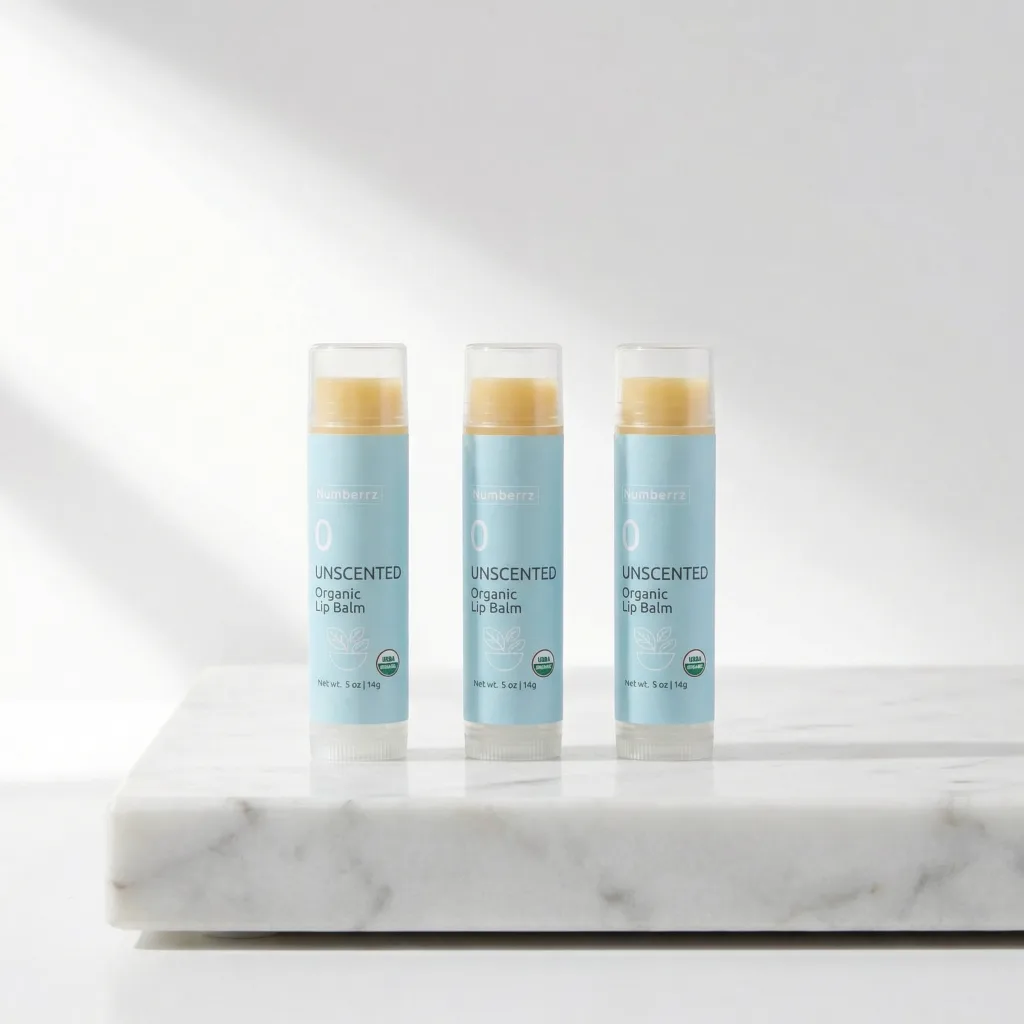
Numbrrrz
Organic Lip Balm
Maybelline Color Sensational
Maybelline
Numbrrrz
Organic Lip Balm
Maybelline SuperStay Vinyl Ink
Maybelline
Numbrrrz
Organic Lip Balm
Revlon Ultra HD Matte Lipcolor
Revlon
Numbrrrz
Organic Lip Balm
CoverGirl Outlast All-Day Lip Color
CoverGirl
Numbrrrz
Organic Lip Balm
L'Oréal Paris Infallible Pro Matte
L'Oréal Paris
Numbrrrz
Organic Lip Balm
NYX Soft Matte Lip Cream
NYX Professional Makeup
Numbrrrz
Organic Lip Balm
Fenty Beauty Stunna Lip Paint
Fenty Beauty
Numbrrrz
Organic Lip Balm
Showing 8 of 31 products in this category.
Lipstick Brands
Maybelline
New York, New York
Safety Score: 3.4/10
Revlon
New York, New York
Safety Score: 4.2/10
CoverGirl
Baltimore, Maryland
Safety Score: 3.6/10
L'Oréal Paris
Paris, France
Safety Score: 4/10
MAC
Toronto, Canada
Safety Score: 6.2/10
NYX Professional Makeup
Los Angeles, California
Safety Score: 4.4/10
Fenty Beauty
San Francisco, California
Safety Score: 4.6/10
Rare Beauty
Los Angeles, California
Safety Score: 5.4/10
Clinique
New York, New York
Safety Score: 6/10