Free Shipping on Orders Over $50 | 4 Ingredients. Nothing Else.Shop Now

Brand Safety Report

Clinique

Ingredient safety analysis based on 5 products in our database.

Safety Score

6/10

Products

5

Flagged Ingredients

7

Clinique

New York, New YorkFounded 1968
Safety Score6/10Fair

Clinique was founded in 1968 by Evelyn Lauder (daughter-in-law of Estée Lauder) and dermatologist Norman Orentreich, with the revolutionary premise that great skin could be created through a simple dermatologist-developed routine. Owned by The Estée Lauder Companies, Clinique was the first prestige cosmetics brand to be allergy-tested and 100% fragrance-free, a positioning it maintains today. The brand's lip products include Almost Lipstick, Chubby Stick, and various lip colors and glosses. While Clinique's fragrance-free commitment is notable, many products still contain synthetic dyes, petroleum derivatives, BHT, and conventional preservatives. The brand's dermatologist association creates strong consumer trust that may lead to less ingredient scrutiny.

Products Analyzed

Clinique Almost Lipstick Black Honey6/10
Clinique Pop Lip Colour + Primer5/10
Clinique Chubby Stick Moisturizing Lip Colour Balm6/10
Clinique Dramatically Different Lipstick8/10
Clinique Even Better Pop Lip Colour5/10

Flagged Ingredients Found

artificial colors(in 4 products)bismuth oxychloride(in 2 products)dimethicone(in 2 products)bht(in 2 products)polyethylene glycolparaffin waxpolybutene
Compare with Numbrrrz

Who Owns Clinique?

Big Corp Subsidiary

Parent Company

The Estee Lauder Companies(EL)

Parent Industry

Prestige Beauty

Parent Revenue

Approximately $15.9 billion (2024)

Also Makes

MACBobbi BrownLa MerTom Ford BeautyOrigins

Clinique was created in 1968 by Evelyn Lauder within The Estee Lauder Companies. It has always been part of the Estee Lauder portfolio and is one of the company's core brands.

Corporate ownership does not automatically mean a product is unsafe. It means ingredient and sourcing decisions are influenced by a parent company whose primary business is prestige beauty. Consumers deserve to know who profits from their purchases.

Products by Clinique

View full ingredient analysis
Clinique Almost Lipstick Black Honey

Clinique Almost Lipstick Black Honey
Clinique

Ingredients20
Flagged3
Safety Score6/10
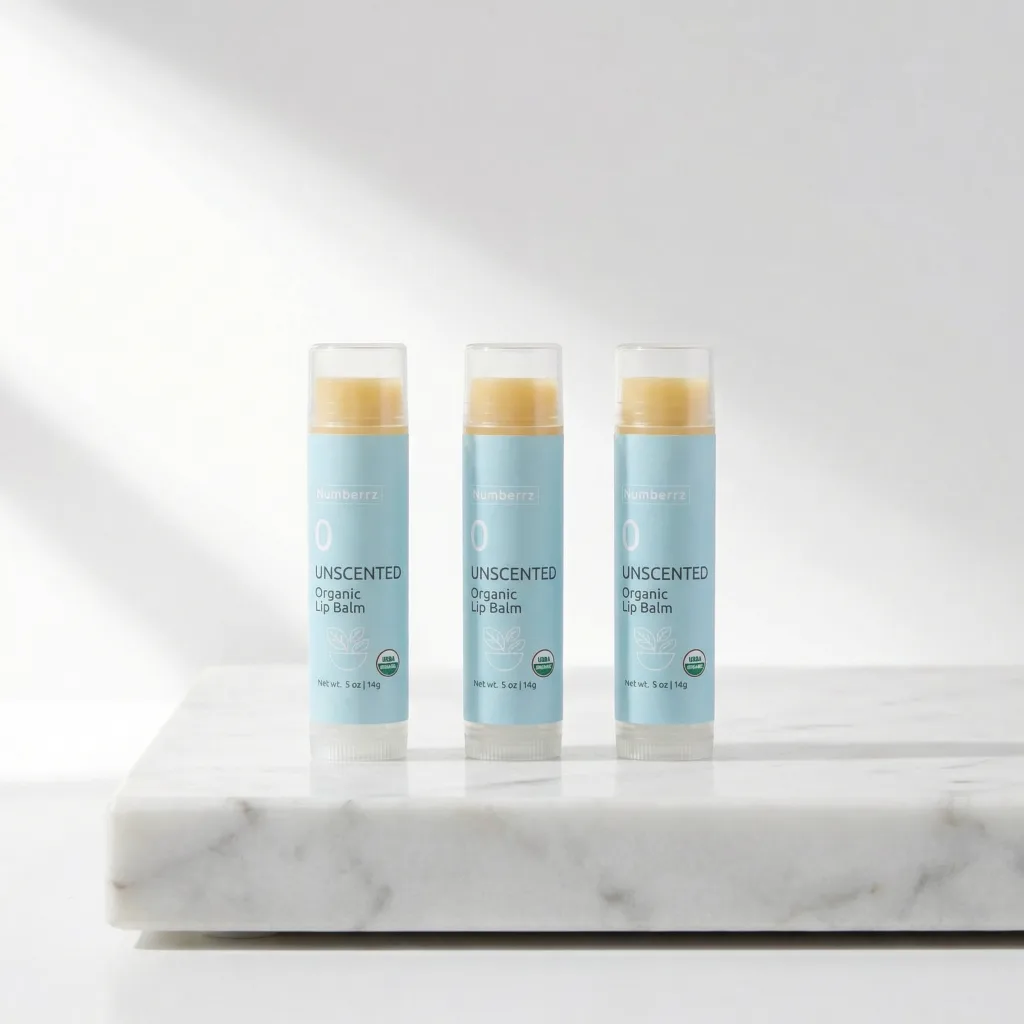
Numbrrrz Organic Lip Balm

Numbrrrz

Organic Lip Balm

Ingredients4
Flagged0
Safety Score10/10
Shop Numbrrrz Instead
View full ingredient analysis
Clinique Pop Lip Colour + Primer

Clinique Pop Lip Colour + Primer

Clinique

Ingredients15
Flagged3
Safety Score5/10
Numbrrrz Organic Lip Balm

Numbrrrz

Organic Lip Balm

Ingredients4
Flagged0
Safety Score10/10
Shop Numbrrrz Instead
View full ingredient analysis
Clinique Chubby Stick Moisturizing Lip Colour Balm

Clinique Chubby Stick Moisturizing Lip Colour Balm

Clinique

Ingredients23
Flagged3
Safety Score6/10
Numbrrrz Organic Lip Balm

Numbrrrz

Organic Lip Balm

Ingredients4
Flagged0
Safety Score10/10
Shop Numbrrrz Instead
View full ingredient analysis
Clinique Dramatically Different Lipstick

Clinique Dramatically Different Lipstick

Clinique

Ingredients15
Flagged1
Safety Score8/10
Numbrrrz Organic Lip Balm

Numbrrrz

Organic Lip Balm

Ingredients4
Flagged0
Safety Score10/10
Shop Numbrrrz Instead
View full ingredient analysis
Clinique Even Better Pop Lip Colour

Clinique Even Better Pop Lip Colour

Clinique

Ingredients15
Flagged3
Safety Score5/10
Numbrrrz Organic Lip Balm

Numbrrrz

Organic Lip Balm

Ingredients4
Flagged0
Safety Score10/10
Shop Numbrrrz Instead

Get Your Free Ingredient Safety Report

Enter your email and we'll send you a personalized breakdown of the most common harmful ingredients in your daily products.

Flagged Ingredients in Clinique Products

We found 7 different ingredients of concern across Clinique's product line. Each one links to a full safety analysis with details on health risks, regulatory status, and which other brands use the same ingredient.

6

Polyethylene Glycol (PEG Compounds)

A family of petroleum-derived compounds used as emulsifiers, thickeners, solvents, and penetration enhancers. PEGs themselves are relatively low-toxicity, but they are frequently contaminated with ethylene oxide (a known carcinogen) and 1,4-dioxane.

In 1 of 5 Clinique productsHoney
6

Artificial Colors

Synthetic dyes derived from petroleum or coal tar, used to give cosmetics vivid colors. Many are contaminated with heavy metals and have been linked to behavioral issues, allergies, and potential carcinogenicity.

In 4 of 5 Clinique productsHoney, Primer, Balm +1
Restricted in CA
5

Bismuth Oxychloride

A synthetic inorganic pigment used in mineral makeup, eyeshadows, and face powders to create a pearlescent, luminous finish. While generally considered low-toxicity, bismuth oxychloride is a common cause of skin irritation and itching, particularly in mineral makeup users.

In 2 of 5 Clinique productsHoney, Balm
5

BHT (Butylated Hydroxytoluene)

A synthetic antioxidant closely related to BHA, used to prevent oxidation in cosmetics and food. Less studied than BHA but shares some endocrine disruption concerns.

In 2 of 5 Clinique productsPrimer, Colour
Hormone Disruptor
5

Paraffin Wax

A white or colorless soft solid wax derived from petroleum, coal, or oil shale. Commonly used in lip balms, lipsticks, and candles to add structure and a smooth texture.

In 1 of 5 Clinique productsBalm
4

Dimethicone

A silicone-based polymer widely used in cosmetics and skincare for its smoothing, water-repellent properties. Not toxic in itself, but creates a synthetic barrier that can trap impurities, clog pores, and is not biodegradable.

In 2 of 5 Clinique productsPrimer, Colour
3

Polybutene

A synthetic polymer derived from petroleum, used as a thickener, binder, and viscosity-increasing agent in lip glosses, lipsticks, and other cosmetics. Polybutene has low direct toxicity but is a petroleum-derived synthetic with environmental persistence concerns.

In 1 of 5 Clinique productsLipstick

FAQ

Is Clinique really fragrance-free?
Yes, Clinique has maintained a fragrance-free commitment since its founding in 1968. All Clinique products are formulated without added fragrances, which reduces one significant source of potential skin irritation and allergic reactions. However, fragrance-free does not mean chemical-free — Clinique products still contain synthetic dyes, petroleum derivatives, and conventional preservatives.
Who owns Clinique?
Clinique is owned by The Estée Lauder Companies, one of the world's largest prestige beauty conglomerates. Estée Lauder also owns MAC, Bobbi Brown, La Mer, Origins, and many other beauty brands. Clinique was created in 1968 by Evelyn Lauder, who was married to Leonard Lauder, son of company founders Estée and Joseph Lauder.
Is Clinique allergy-tested?
Clinique states that all of its products are allergy-tested and dermatologist-developed. The brand conducts 12-month allergy testing on every product before launch. However, 'allergy-tested' means the product was screened for common allergens, not that it is guaranteed to be non-allergenic for all individuals. Products can still contain ingredients of concern for other health reasons beyond allergies.
Numbrrrz strawberry lip balm — no secrets, full transparency

Looking for a Cleaner Alternative?

Numbrrrz lip balm scores 10/10 with only four organic, food-grade ingredients.