Synthetic Fragrance.
Also known as: fragrance, parfum, aroma, fragrance oil, synthetic musk
An umbrella term that can hide hundreds of undisclosed chemicals. Under US law, companies are not required to list individual fragrance components, which may include phthalates, musks, allergens, and sensitizers.
By the numbers.
1 = low concern, 10 = avoid.
Risk by usage.
How risk shifts depending on how often you use products with Synthetic Fragrance.
Low concern if not fragrance-sensitive.
Daily exposure to hidden fragrance chemicals adds to cumulative toxicant load.
High risk from stacking multiple fragranced products. Choose fragrance-free wherever possible.
What the research says.
Can contain phthalates, synthetic musks, and other endocrine-disrupting chemicals hidden under the 'fragrance' umbrella.
Leading cause of cosmetic contact allergies; the IFRA lists over 100 known fragrance allergens.
International Fragrance Association (IFRA) allergen list
Synthetic musks (galaxolide, tonalide) bioaccumulate in human tissue and are detected in breast milk.
Environmental Science & Technology, 2005
Global status.
How synthetic fragrance is regulated in cosmetics around the world.
64% of countries with data ban or restrict this ingredient
Details
26+ fragrance allergens must be declared on labels above 0.001% in leave-on or 0.01% in rinse-off; expanded to ~80 allergens by Regulation 2023/1545.
Details
26 fragrance allergens must be declared above thresholds.
Details
Sensitizing fragrance ingredients restricted on Hotlist.
Details
25 fragrance allergens must be labeled above thresholds.
Details
Certain fragrance allergens require labeling.
Details
ANVISA requires labeling of specified fragrance allergens.
Details
26 fragrance allergens must be declared, harmonized with EU.
The reason brands include it.
Creates a pleasant scent that enhances the consumer experience and brand identity. Synthetic fragrances are far cheaper than natural essential oils.
63
products in our database
18
brands use it
5
product categories
Better alternatives exist. Brands choose synthetic fragrance because it’s cheap and effective, but safer options like essential oils (properly diluted and disclosed), fragrance-free formulations, naturally-derived aroma compounds deliver similar results without the health concerns.
Synthetic Fragrance in product types.
Click a category to see every product containing synthetic fragrance.

Products Containing Synthetic Fragrance
These popular products list synthetic fragrance in their ingredient labels. Tap any card to see the full breakdown.

And 51 more products in our database.
Compared to Numbrrrz.
Here’s how the lowest-scoring product containing synthetic fragrance compares.
Blistex Medicated Lip Ointment
Blistex
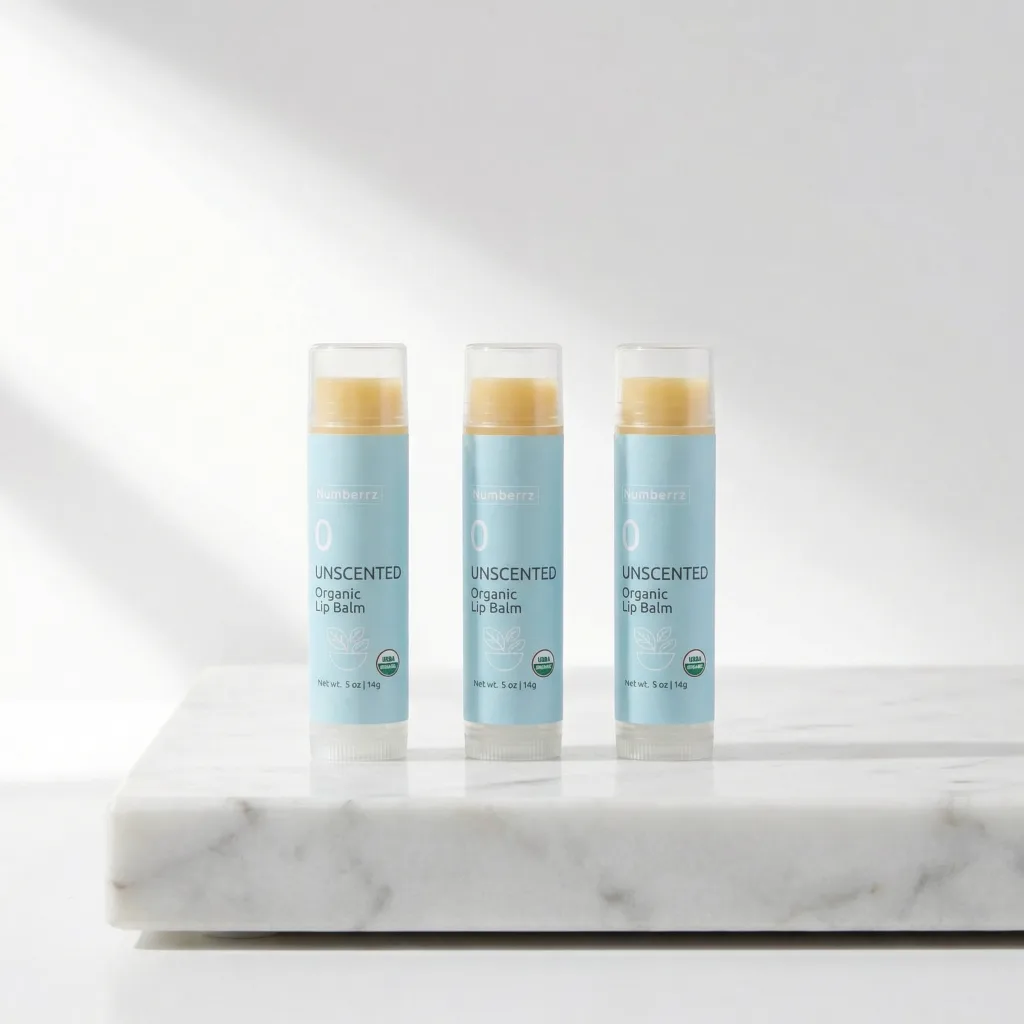
Numbrrrz
Organic Lip Balm
Get Your Free Ingredient Safety Report
Enter your email and we'll send you a personalized breakdown of the most common harmful ingredients in your daily products.
What to use instead.
What Numbrrrz uses instead
Numbrrrz products are completely fragrance-free. Every ingredient is listed on our labels — no hidden chemicals, no synthetic fragrances, and no undisclosed compounds.
Quick answers.
What is hidden in 'fragrance' on ingredient labels?
Is 'natural fragrance' safer than synthetic?
Can fragrance in cosmetics cause allergies?
Why doesn't the US require fragrance ingredient disclosure?
Do synthetic musks accumulate in the body?
Does Numbrrrz use synthetic fragrance?
How these brands stack up.
Brands that use synthetic fragrance — see how they compare.