Full breakdown.
NYX Professional Makeup
NYX Professional Makeup was founded in 1999 by Toni Ko in Los Angeles, California, and was acquired by L'Oréal in 2014 for approximately $500 million. The brand is known for offering professional-quality cosmetics at drugstore prices and has built a massive following through social media and influencer partnerships. NYX's lip product line is extensive, including lip liners, lipsticks, glosses, and lip creams in hundreds of shades. Like most conventional cosmetics brands, NYX products contain synthetic dyes, petroleum-derived ingredients, and chemical preservatives. Despite its indie brand aesthetic, NYX is a fully owned subsidiary of the world's largest beauty company.
Products Analyzed
Flagged Ingredients Found
Who Owns NYX Professional Makeup?
Big Corp SubsidiaryParent Company
L'Oreal(OR.PA)
Parent Industry
Beauty & Cosmetics
Parent Revenue
Approximately $42 billion (2024)
Acquired
2014 for Approximately $500 million
Also Makes
L'Oreal acquired NYX Cosmetics in 2014 for approximately $500 million. Despite its indie brand aesthetic, NYX is a fully owned subsidiary of the world's largest beauty company.
Corporate ownership does not automatically mean a product is unsafe. It means ingredient and sourcing decisions are influenced by a parent company whose primary business is beauty & cosmetics. Consumers deserve to know who profits from their purchases.
Products by NYX Professional Makeup.
NYX Soft Matte Lip Cream
NYX Professional Makeup
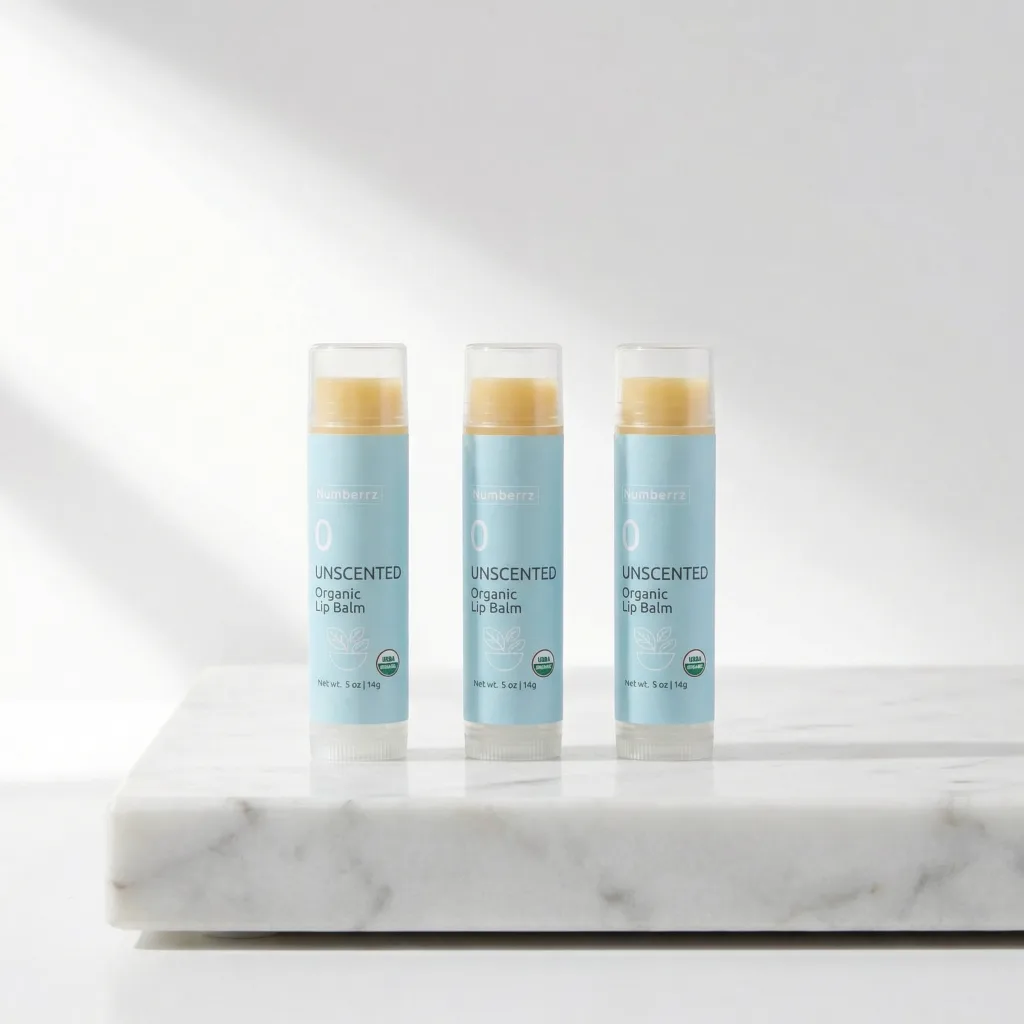
Numbrrrz
Organic Lip Balm
NYX Butter Gloss
NYX Professional Makeup
Numbrrrz
Organic Lip Balm
NYX Lip Lingerie XXL
NYX Professional Makeup
Numbrrrz
Organic Lip Balm
NYX Shine Loud
NYX Professional Makeup
Numbrrrz
Organic Lip Balm
NYX Duck Plump
NYX Professional Makeup
Numbrrrz
Organic Lip Balm
Get Your Free Ingredient Safety Report
Enter your email and we'll send you a personalized breakdown of the most common harmful ingredients in your daily products.
Ingredients of concern.
8 different ingredients of concern across NYX Professional Makeup’s product line. Each links to a full safety analysis.