EDTA (Ethylenediaminetetraacetic Acid).
Also known as: disodium EDTA, tetrasodium EDTA, calcium disodium EDTA, edetate disodium, edetic acid
A chelating agent used in cosmetics to bind metal ions that would otherwise degrade the product or reduce preservative effectiveness. EDTA itself has low direct toxicity, but it is extremely persistent in the environment and can mobilize heavy metals in water systems.
By the numbers.
1 = low concern, 10 = avoid.
Risk by usage.
How risk shifts depending on how often you use products with EDTA (Ethylenediaminetetraacetic Acid).
Minimal health concern from occasional product use.
Low direct health risk. Environmental persistence is the primary concern at population scale.
Low health concern for the individual. Cumulative environmental impact from widespread use is significant.
What the research says.
Not readily biodegradable. Persists in water systems and wastewater treatment does not effectively remove it.
Environmental Science & Technology — EDTA environmental persistence studies
Can mobilize heavy metals in water supplies by chelating them from sediments, potentially increasing heavy metal exposure in drinking water.
Acts as a penetration enhancer, increasing skin absorption of other ingredients in the formulation.
Global status.
How edta (ethylenediaminetetraacetic acid) is regulated in cosmetics around the world.
9% of countries with data ban or restrict this ingredient
Details
Disodium EDTA permitted with limits under MHLW.
The reason brands include it.
Binds metal ions (calcium, magnesium, iron) that can destabilize formulations, reduce preservative efficacy, or cause discoloration. Improves product shelf life and stability.
6
products in our database
2
brands use it
4
product categories
Better alternatives exist. Brands choose edta (ethylenediaminetetraacetic acid) because it’s cheap and effective, but safer options like phytic acid (natural chelator from rice bran), sodium gluconate, citric acid deliver similar results without the health concerns.
EDTA (Ethylenediaminetetraacetic Acid) in product types.
Click a category to see every product containing edta (ethylenediaminetetraacetic acid).

Products Containing EDTA (Ethylenediaminetetraacetic Acid)
These popular products list edta (ethylenediaminetetraacetic acid) in their ingredient labels. Tap any card to see the full breakdown.

Compared to Numbrrrz.
Here’s how the lowest-scoring product containing edta (ethylenediaminetetraacetic acid) compares.
Neutrogena Oil-Free Moisture SPF 35
Neutrogena
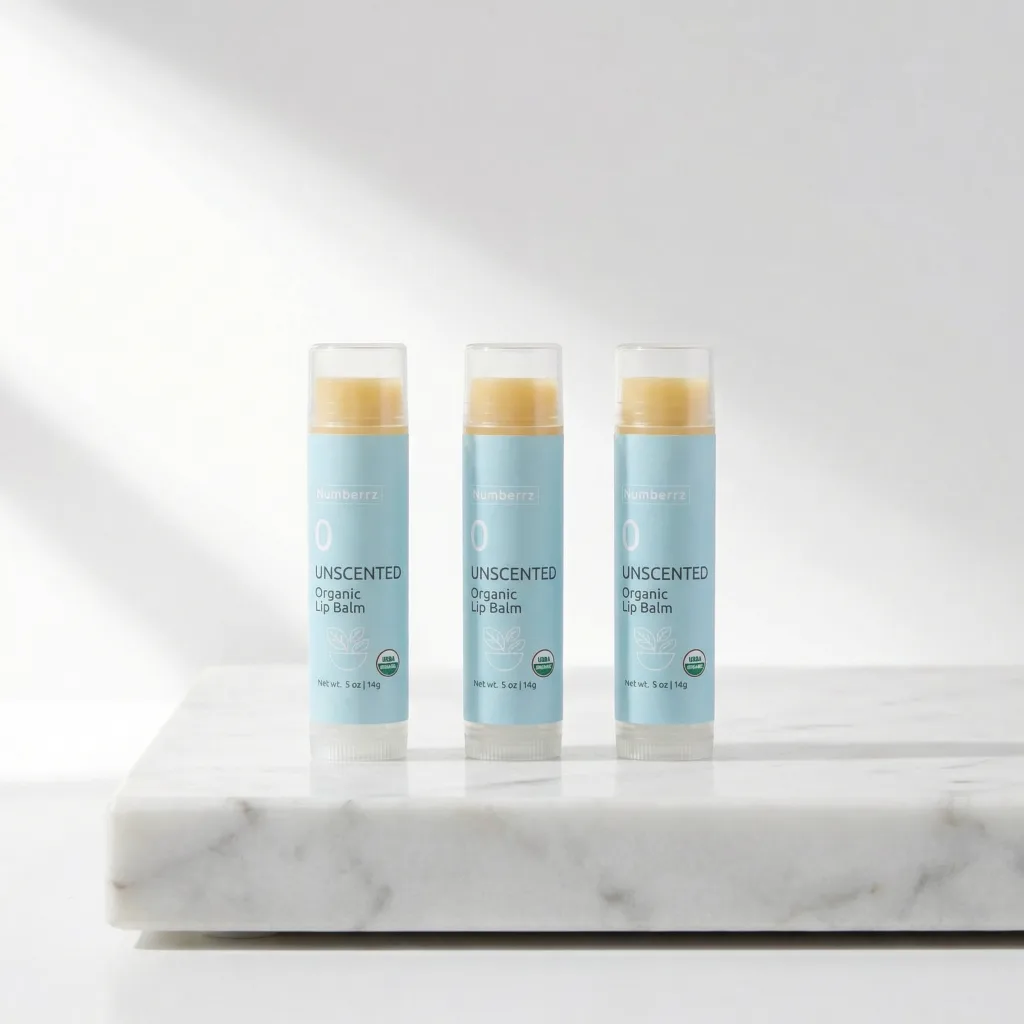
Numbrrrz
Organic Lip Balm
Get Your Free Ingredient Safety Report
Enter your email and we'll send you a personalized breakdown of the most common harmful ingredients in your daily products.
What to use instead.
What Numbrrrz uses instead
Numbrrrz products are EDTA-free. Our simple four-ingredient lip balm formula does not require chelating agents — Organic Coconut Oil, Organic Jojoba Oil, Organic Beeswax, and Vitamin E need no synthetic stabilizers.