Octisalate.
Also known as: ethylhexyl salicylate, 2-ethylhexyl salicylate, octyl salicylate
A chemical UV filter that absorbs UVB radiation and is commonly used as a secondary sunscreen agent to boost SPF values. Octisalate also acts as a solvent for other UV filters like avobenzone.
By the numbers.
1 = low concern, 10 = avoid.
Risk by usage.
How risk shifts depending on how often you use products with Octisalate.
Low risk from incidental sun protection use.
Daily application leads to systemic absorption. Mineral filters are preferred for everyday use.
Moderate concern. Use zinc oxide-based sunscreens for frequent reapplication.
What the research says.
Absorbed through the skin at levels exceeding FDA safety thresholds in clinical studies.
JAMA, 2020 — systemic absorption of sunscreen active ingredients
Weak endocrine disruption potential observed in cell-based studies.
Can cause allergic contact dermatitis and photoallergic reactions in susceptible individuals.
Global status.
How octisalate is regulated in cosmetics around the world.
100% of countries with data ban or restrict this ingredient
Details
Max 5% as OTC sunscreen active.
Details
Max 5% as UV filter (Annex VI).
Details
Max 5% as UV filter.
Details
Max 5% as UV filter.
Details
Permitted with limits under MHLW positive list.
Details
Max 5% as UV filter.
Details
Max 5% as active sunscreen (TGA).
Details
Max 5% per Safety Technical Standards.
Details
Max 5% per ANVISA.
Details
Permitted with limits.
Details
Max 5%, aligned with EU.
The reason brands include it.
Absorbs UVB rays, boosts SPF values, and helps dissolve and stabilize other sunscreen active ingredients in the formulation.
13
products in our database
7
brands use it
3
product categories
Better alternatives exist. Brands choose octisalate because it’s cheap and effective, but safer options like zinc oxide, titanium dioxide, non-nano mineral sunscreens deliver similar results without the health concerns.
Octisalate in product types.
Click a category to see every product containing octisalate.
Products Containing Octisalate
These popular products list octisalate in their ingredient labels. Tap any card to see the full breakdown.
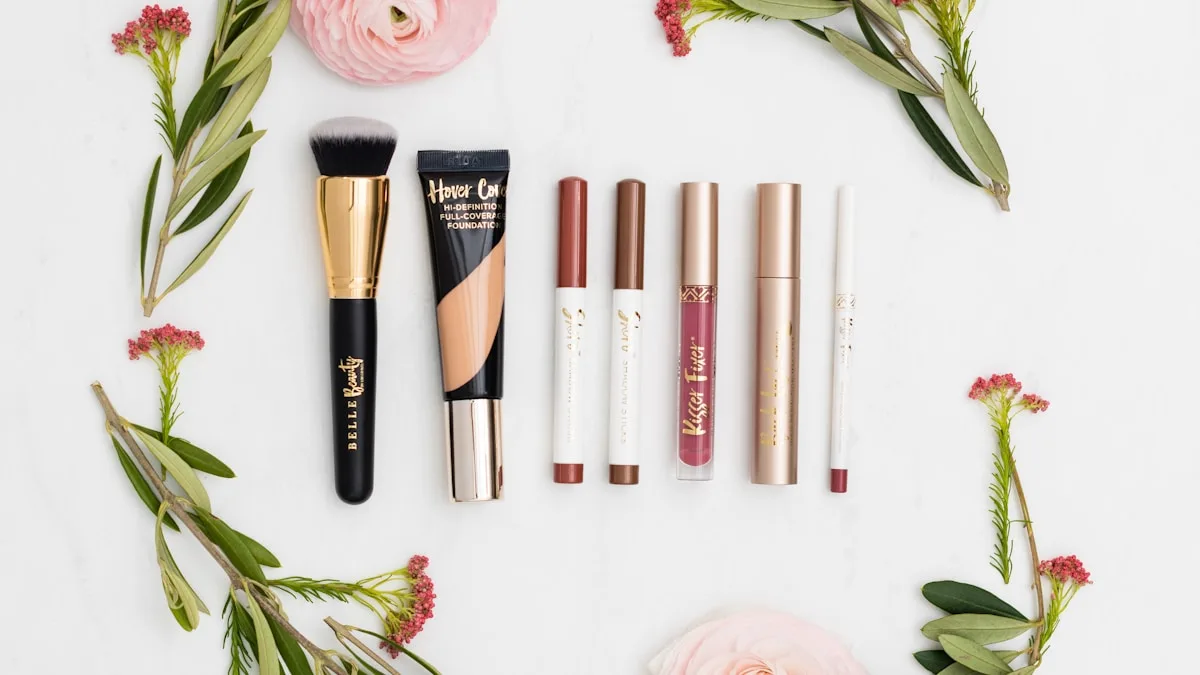
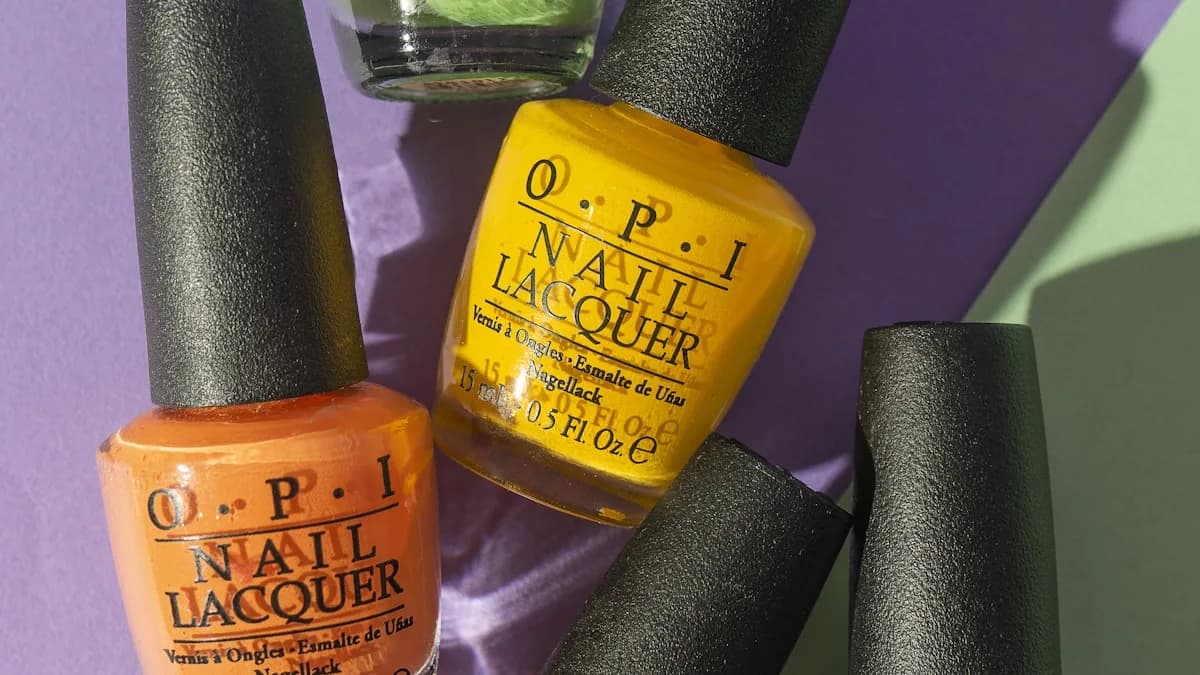

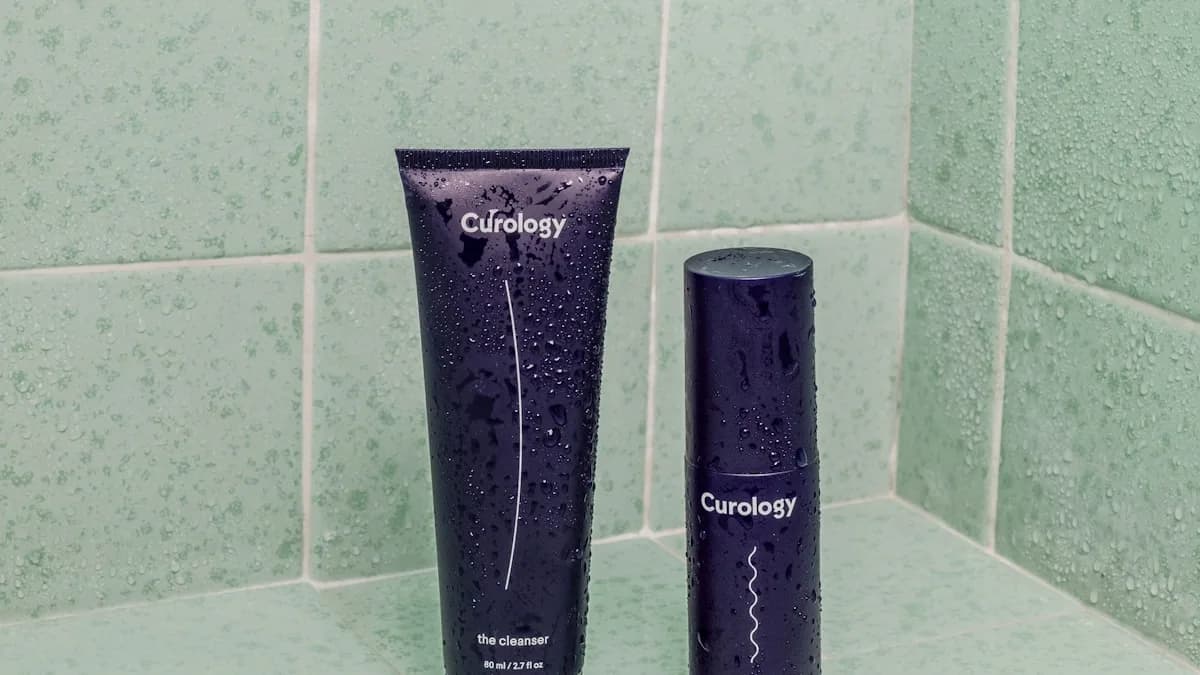
And 1 more product in our database.
Compared to Numbrrrz.
Here’s how the lowest-scoring product containing octisalate compares.
Blistex Medicated Lip Balm SPF 15
Blistex
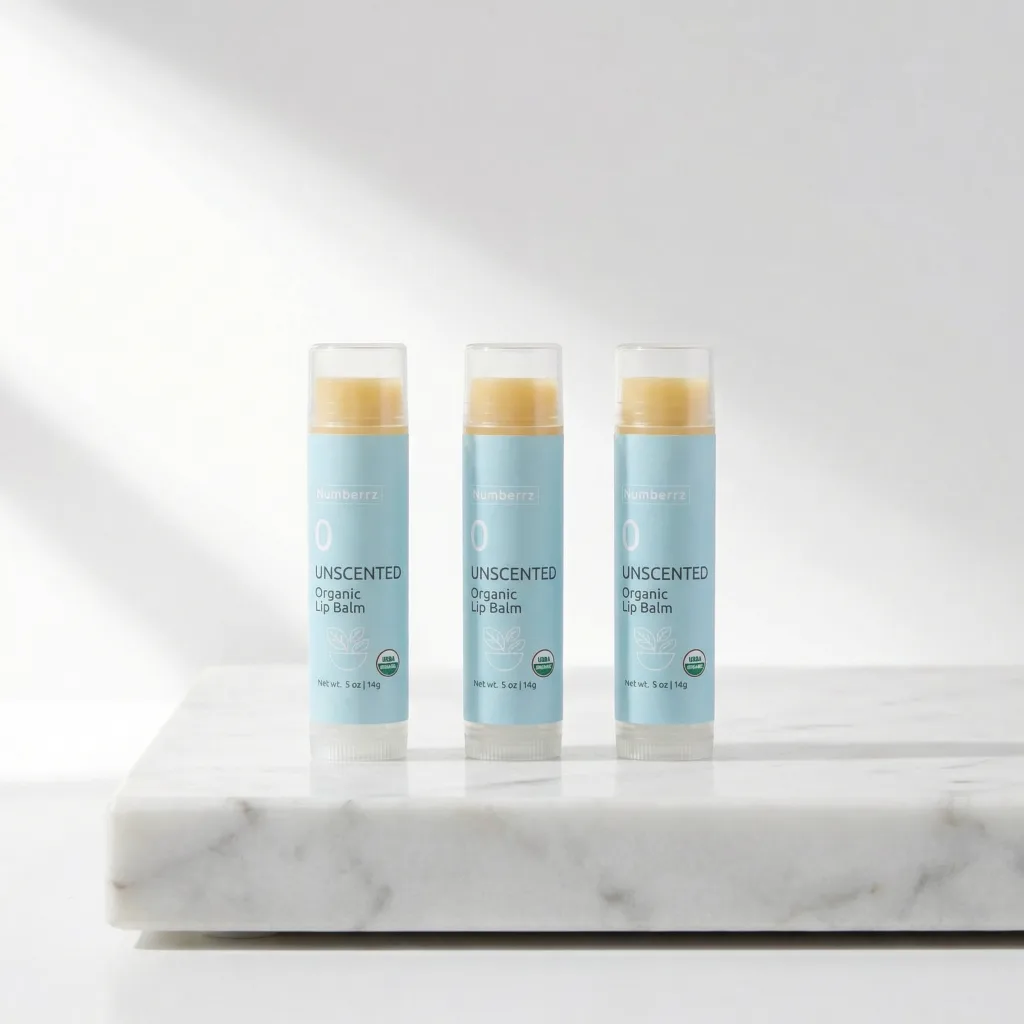
Numbrrrz
Organic Lip Balm
Get Your Free Ingredient Safety Report
Enter your email and we'll send you a personalized breakdown of the most common harmful ingredients in your daily products.
What to use instead.
What Numbrrrz uses instead
Numbrrrz products contain no octisalate or chemical UV filters. Our lip balms protect with Organic Coconut Oil, Organic Jojoba Oil, Organic Beeswax, and Vitamin E — no sunscreen chemicals needed for daily lip care.
Quick answers.
Is octisalate dangerous?
Why is octisalate often paired with other UV filters?
Is octisalate absorbed into the bloodstream?
What are other names for octisalate on labels?
Can octisalate cause allergic reactions?
Does Numbrrrz use octisalate?
How these brands stack up.
Brands that use octisalate — see how they compare.