Methylisothiazolinone.
Also known as: MIT, MI, methylisothiazolinone, Neolone 950
A powerful synthetic biocide and preservative. Once common in leave-on cosmetics, it has been increasingly restricted worldwide due to an epidemic of allergic contact dermatitis. The EU banned it from leave-on products in 2016.
By the numbers.
1 = low concern, 10 = avoid.
Risk by usage.
How risk shifts depending on how often you use products with Methylisothiazolinone.
Even single exposure can trigger sensitization in susceptible individuals.
Strongly avoid. Daily use dramatically increases risk of developing allergy.
Unacceptable. Highly likely to cause sensitization and chronic dermatitis.
What the research says.
One of the most common causes of allergic contact dermatitis worldwide.
European Society of Contact Dermatitis, 2013 — recommended MIT restriction
Neurotoxic effects observed in laboratory studies at low concentrations.
Neurotoxicology, 2006 — in vitro neurotoxicity of isothiazolinones
Can cause severe skin reactions including blistering and chemical burns in sensitized individuals.
Global status.
How methylisothiazolinone is regulated in cosmetics around the world.
90% of countries with data ban or restrict this ingredient
Details
Banned in leave-on products since 2017; max 0.0015% in rinse-off only.
Details
Mirrors EU; banned in leave-on; max 0.0015% in rinse-off.
Details
Banned in leave-on; limited in rinse-off products.
Details
Permitted with limits under MHLW positive list.
Details
Banned in leave-on; max 0.0015% in rinse-off.
Details
Limits on leave-on products per NICNAS.
Details
Banned in leave-on; max 0.01% in rinse-off per 2015 standards.
Details
ANVISA bans in leave-on; rinse-off max 0.0015%.
Details
Banned in leave-on; max 0.0015% in rinse-off, aligned with EU.
The reason brands include it.
Extremely effective antimicrobial preservative at very low concentrations, especially in water-based formulations.
1
products in our database
1
brands use it
1
product categories
Better alternatives exist. Brands choose methylisothiazolinone because it’s cheap and effective, but safer options like potassium sorbate, sodium benzoate, ethylhexylglycerin deliver similar results without the health concerns.
Methylisothiazolinone in product types.
Click a category to see every product containing methylisothiazolinone.
Products Containing Methylisothiazolinone
These popular products list methylisothiazolinone in their ingredient labels. Tap any card to see the full breakdown.
Compared to Numbrrrz.
Here’s how the lowest-scoring product containing methylisothiazolinone compares.
Neutrogena Oil-Free Moisture SPF 35
Neutrogena
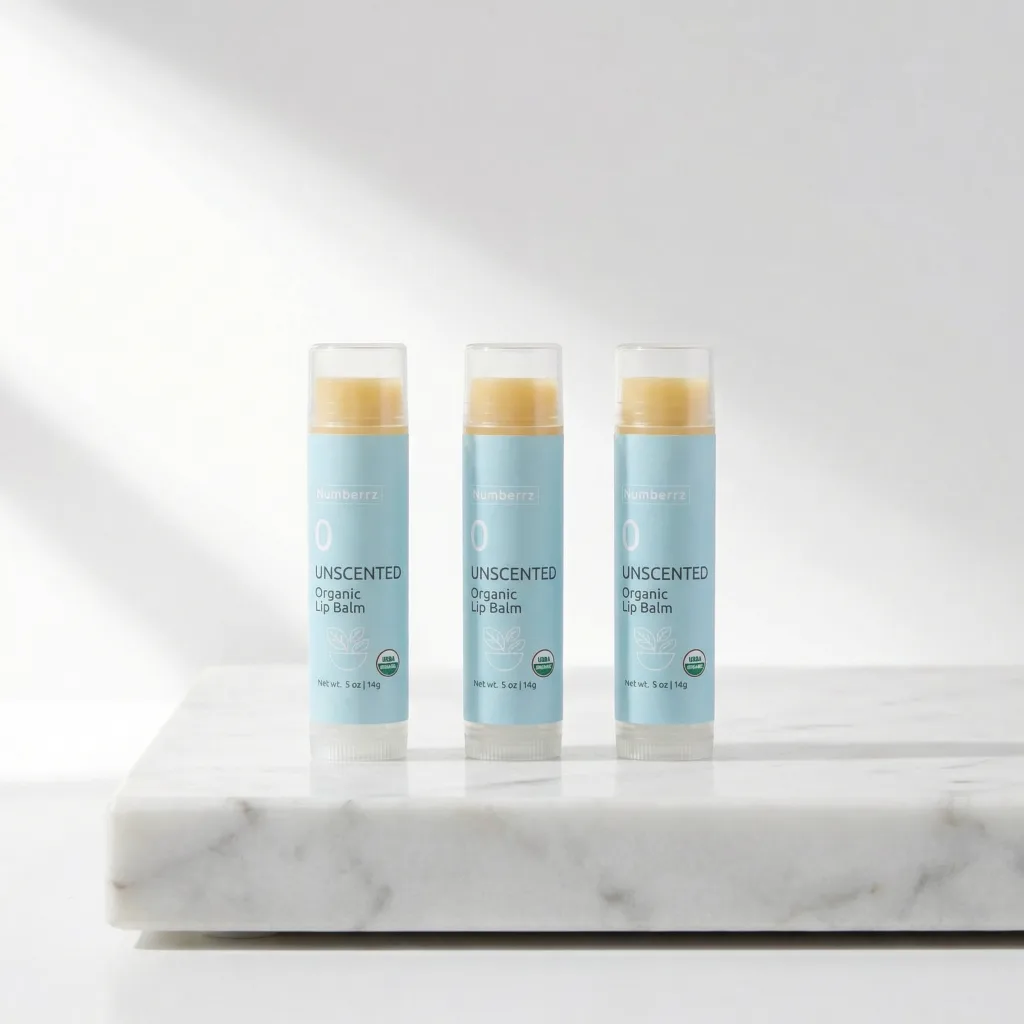
Numbrrrz
Organic Lip Balm
Get Your Free Ingredient Safety Report
Enter your email and we'll send you a personalized breakdown of the most common harmful ingredients in your daily products.
What to use instead.
What Numbrrrz uses instead
Numbrrrz products never contain isothiazolinone preservatives. Our simple oil-and-wax formula is preserved naturally with Vitamin E — no synthetic biocides needed.