Full breakdown.
Coppertone
Coppertone was developed in 1944 by pharmacist Benjamin Green for the U.S. military to protect soldiers from sun exposure during World War II. The brand went through multiple ownership changes before being acquired by Beiersdorf in 2019 from Bayer. Coppertone is one of the most recognized sunscreen brands in the United States and was historically known for its iconic 'Coppertone Girl' advertising. Many Coppertone sunscreens rely heavily on chemical UV filters including avobenzone, homosalate, octisalate, octocrylene, and historically oxybenzone. As consumer awareness of chemical sunscreen absorption has grown, Coppertone has introduced some mineral-based alternatives, but chemical filters remain dominant across most of their product line.
Products Analyzed
Flagged Ingredients Found
Who Owns Coppertone?
Big Corp SubsidiaryParent Company
Beiersdorf AG(BEI.DE)
Parent Industry
Personal Care & Adhesives
Parent Revenue
Approximately $9.5 billion (2024)
Acquired
2019 for Approximately $550 million
Also Makes
Beiersdorf acquired Coppertone from Bayer in 2019 for approximately $550 million. Before Bayer, Coppertone was owned by Merck KGaA, and before that by Schering-Plough.
Corporate ownership does not automatically mean a product is unsafe. It means ingredient and sourcing decisions are influenced by a parent company whose primary business is personal care & adhesives. Consumers deserve to know who profits from their purchases.
Products by Coppertone.

Coppertone Sport SPF 50
Coppertone
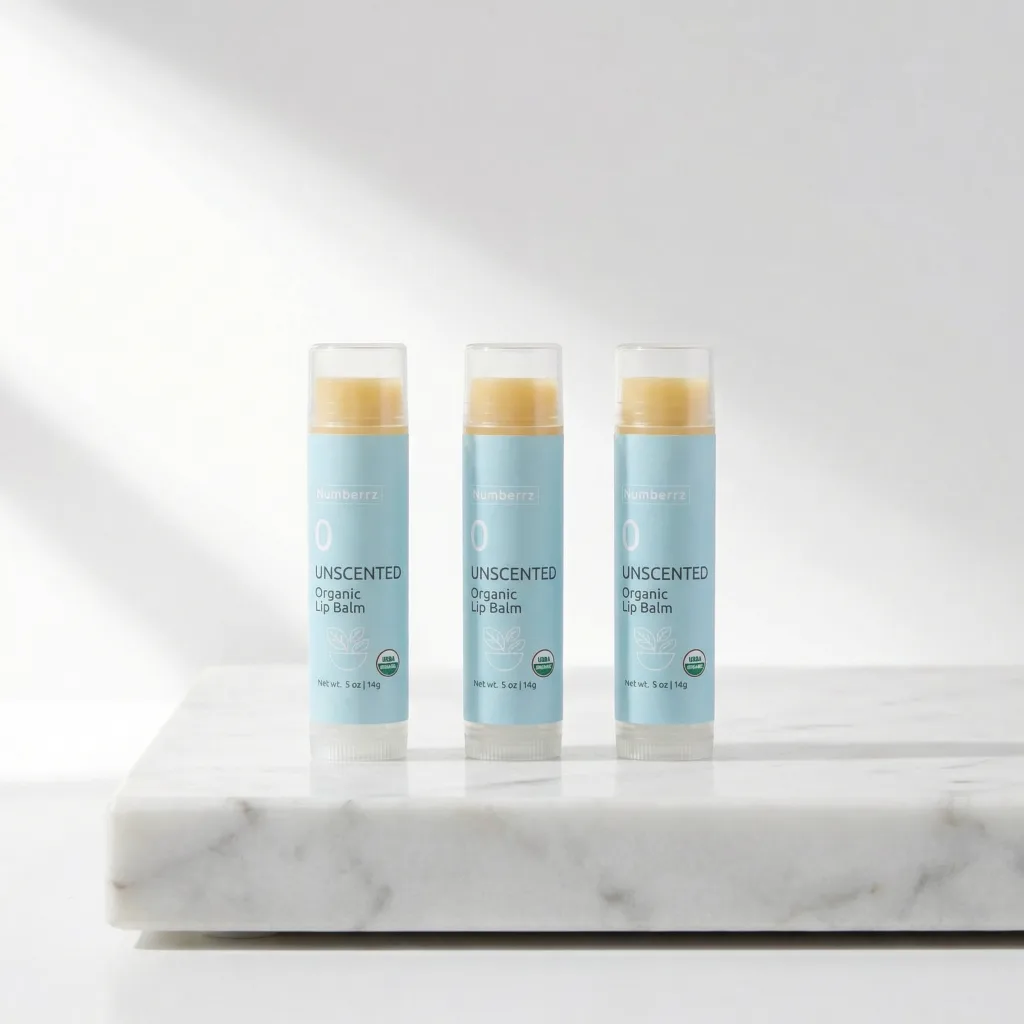
Numbrrrz
Organic Lip Balm
Coppertone Ultra Guard SPF 70
Coppertone
Numbrrrz
Organic Lip Balm
Coppertone Pure & Simple SPF 50
Coppertone
Numbrrrz
Organic Lip Balm
Coppertone Glow SPF 50
Coppertone
Numbrrrz
Organic Lip Balm
Coppertone Kids SPF 70
Coppertone
Numbrrrz
Organic Lip Balm
Get Your Free Ingredient Safety Report
Enter your email and we'll send you a personalized breakdown of the most common harmful ingredients in your daily products.
Ingredients of concern.
7 different ingredients of concern across Coppertone’s product line. Each links to a full safety analysis.