Full breakdown.
Banana Boat
Banana Boat was founded in 1978 in Miami, Florida, and is now owned by Edgewell Personal Care Company, headquartered in Shelton, Connecticut. The brand is one of the most popular sunscreen brands in the United States, known for its broad range of affordable sun protection products. Banana Boat has faced multiple product safety issues, including voluntary recalls in 2022 of certain aerosol sunscreens after internal testing detected benzene, a known carcinogen, in some products. The brand's sunscreens typically contain chemical UV filters including avobenzone, homosalate, octisalate, and octocrylene. These safety incidents underscore the importance of understanding what goes into the sunscreen products applied to skin and lips.
Products Analyzed
Flagged Ingredients Found
Who Owns Banana Boat?
Big Corp SubsidiaryParent Company
Edgewell Personal Care(EPC)
Parent Industry
Personal Care
Parent Revenue
Approximately $2.2 billion (2024)
Also Makes
Banana Boat is owned by Edgewell Personal Care, a publicly traded consumer products company that separated from Energizer Holdings in 2015.
Corporate ownership does not automatically mean a product is unsafe. It means ingredient and sourcing decisions are influenced by a parent company whose primary business is personal care. Consumers deserve to know who profits from their purchases.
Products by Banana Boat.
Banana Boat Sport Ultra SPF 50
Banana Boat
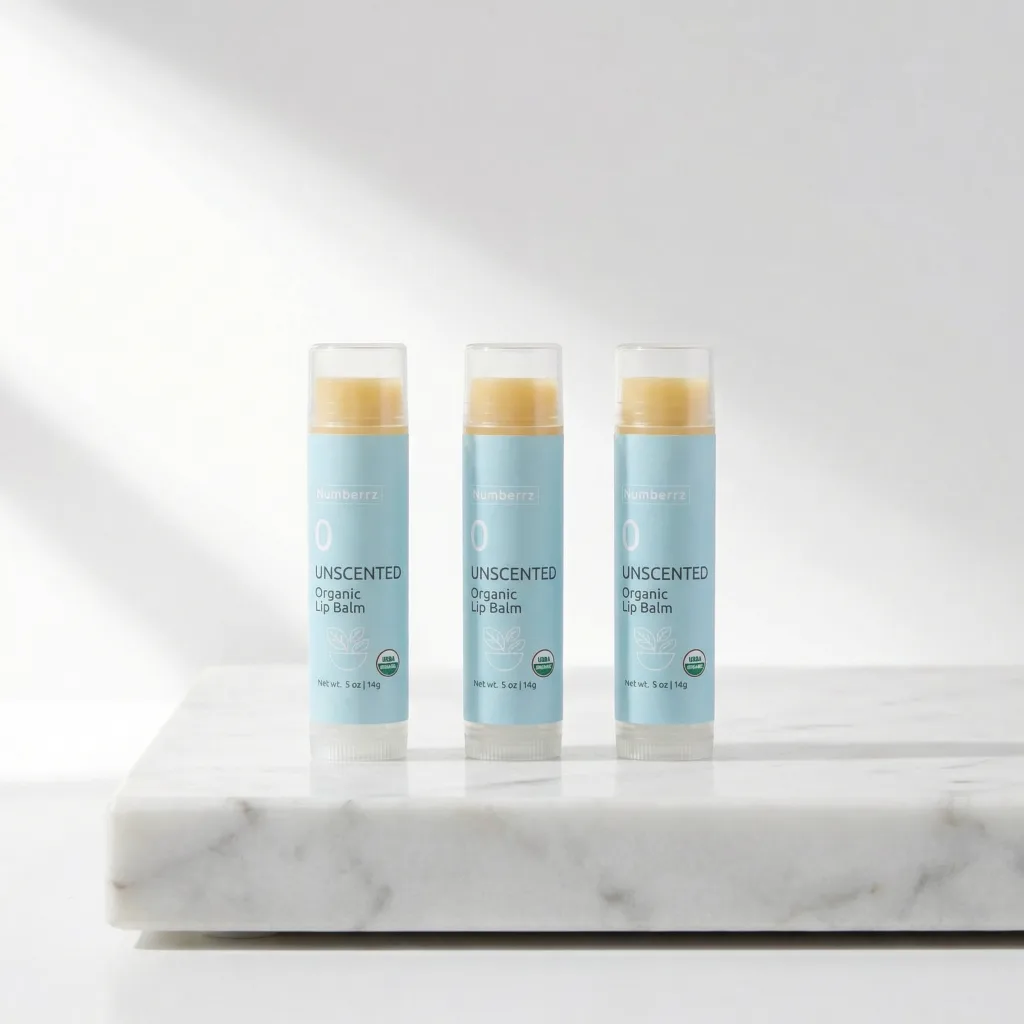
Numbrrrz
Organic Lip Balm
Banana Boat Simply Protect SPF 50
Banana Boat
Numbrrrz
Organic Lip Balm
Banana Boat Light As Air SPF 50
Banana Boat
Numbrrrz
Organic Lip Balm
Banana Boat SunComfort SPF 50
Banana Boat
Numbrrrz
Organic Lip Balm
Banana Boat Kids SPF 50
Banana Boat
Numbrrrz
Organic Lip Balm
Get Your Free Ingredient Safety Report
Enter your email and we'll send you a personalized breakdown of the most common harmful ingredients in your daily products.
Ingredients of concern.
8 different ingredients of concern across Banana Boat’s product line. Each links to a full safety analysis.