Retinyl Palmitate.
Also known as: vitamin A palmitate, retinol palmitate, preformed vitamin A
A form of vitamin A (retinol ester) used in sunscreens, anti-aging creams, and moisturizers. While vitamin A is essential for skin health, retinyl palmitate becomes problematic when applied topically and exposed to sunlight, potentially accelerating UV-induced skin damage.
By the numbers.
1 = low concern, 10 = avoid.
Risk by usage.
How risk shifts depending on how often you use products with Retinyl Palmitate.
Low risk when used in nighttime products away from UV exposure.
Daily use in sunscreens or daytime products is concerning due to photocarcinogenesis risk.
Significant concern in sun-exposed products. Use only in nighttime skincare if desired.
What the research says.
When exposed to UV light, retinyl palmitate generates free radicals that may accelerate skin damage and tumor formation.
National Toxicology Program (NTP), 2012 — photocarcinogenesis study of retinyl palmitate
Can cause photosensitivity, increasing the risk of sunburn and sun damage.
High doses of vitamin A during pregnancy are teratogenic (can cause birth defects). Topical absorption adds to total vitamin A load.
Teratology, 1998 — vitamin A and birth defects
Global status.
How retinyl palmitate is regulated in cosmetics around the world.
33% of countries with data ban or restrict this ingredient
Details
Max 0.05% retinol equivalent in face/hand creams; 0.3% in other leave-on body products; banned in lip products and sprays at higher levels per Regulation 2024/996.
Details
Retinol derivatives limited to ~0.07% retinol equivalent.
Details
Retinol derivatives restricted with concentration limits.
The reason brands include it.
Marketed as an anti-aging ingredient that promotes cell turnover and skin renewal. Also added to sunscreens as an antioxidant.
1
products in our database
1
brands use it
3
product categories
Better alternatives exist. Brands choose retinyl palmitate because it’s cheap and effective, but safer options like bakuchiol (retinol alternative), niacinamide (vitamin B3), vitamin C (ascorbic acid) deliver similar results without the health concerns.
Retinyl Palmitate in product types.
Click a category to see every product containing retinyl palmitate.

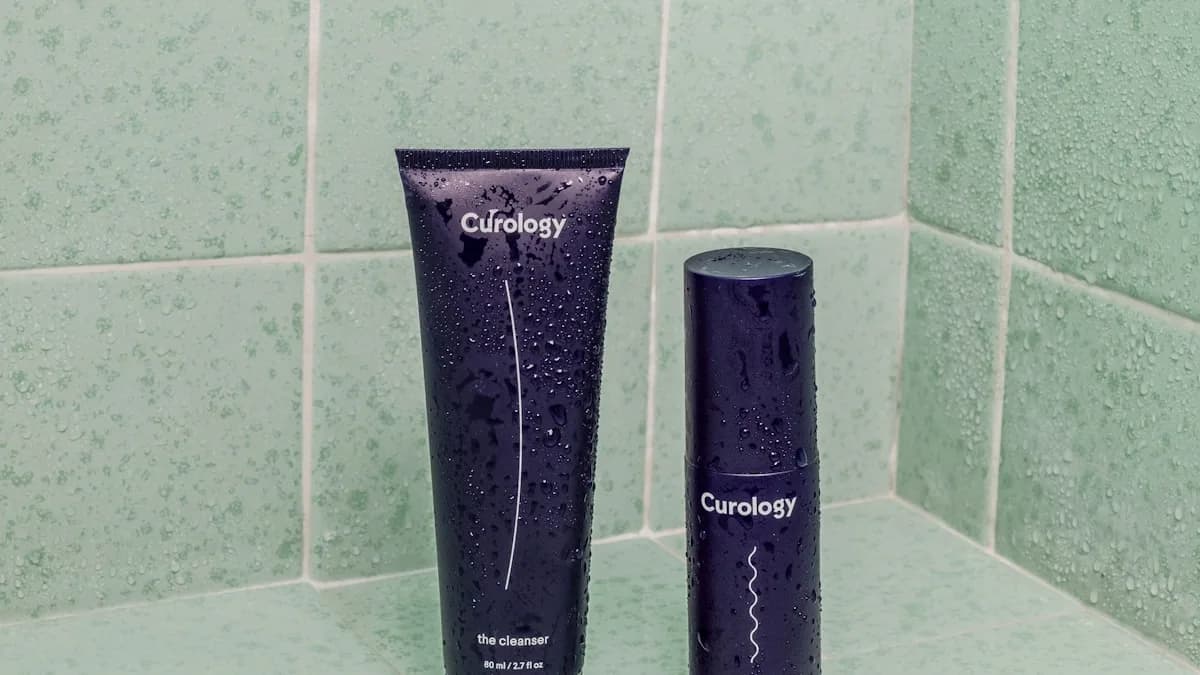
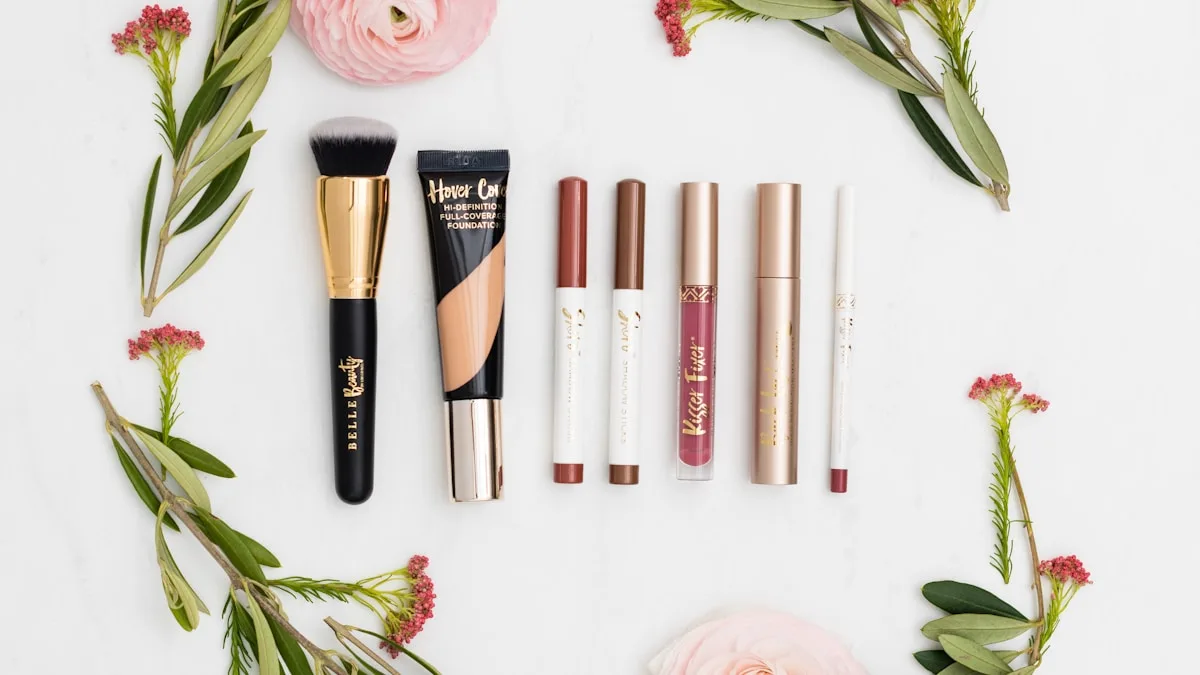
Products Containing Retinyl Palmitate
These popular products list retinyl palmitate in their ingredient labels. Tap any card to see the full breakdown.
Compared to Numbrrrz.
Here’s how the lowest-scoring product containing retinyl palmitate compares.

CoverGirl Exhibitionist Lipstick
CoverGirl
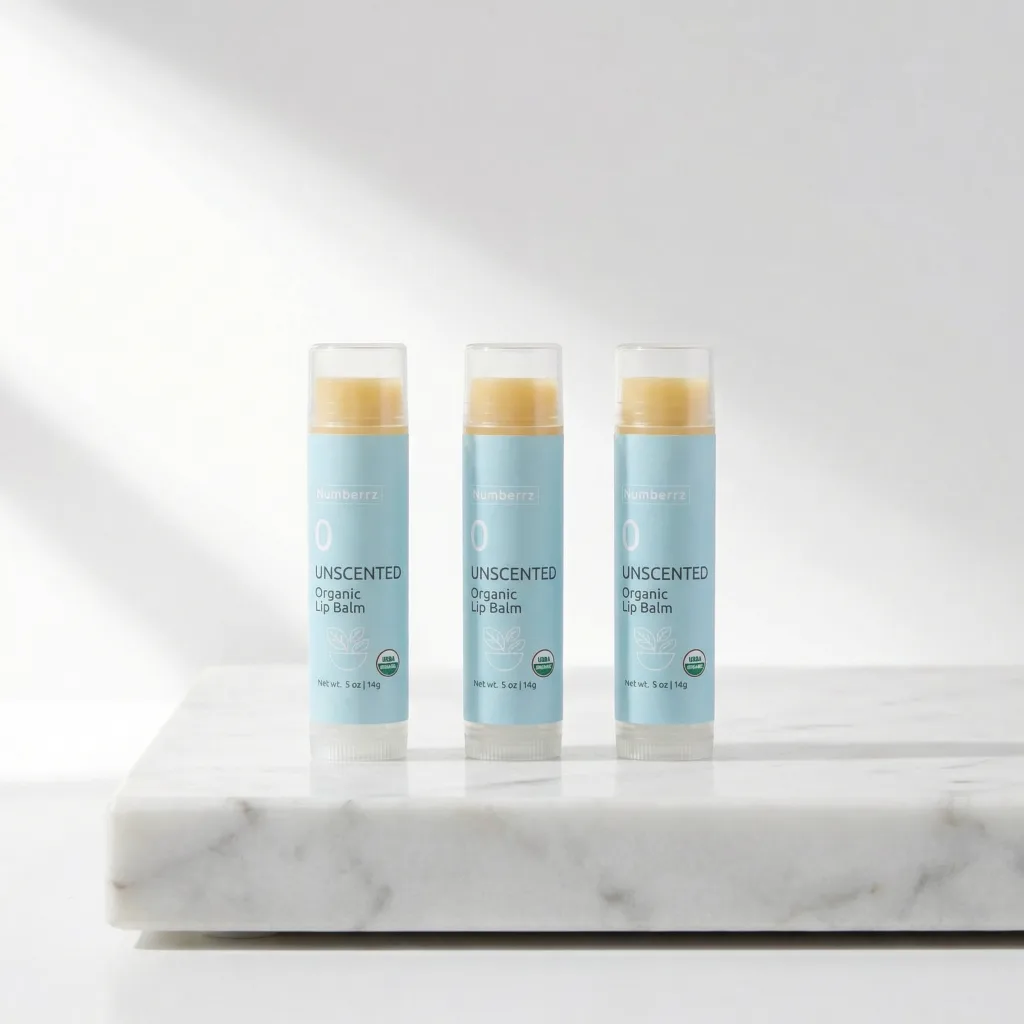
Numbrrrz
Organic Lip Balm
Get Your Free Ingredient Safety Report
Enter your email and we'll send you a personalized breakdown of the most common harmful ingredients in your daily products.
What to use instead.
What Numbrrrz uses instead
Numbrrrz does not use retinyl palmitate in any product. Our lip balms use Vitamin E (tocopherol) as a photostable antioxidant that does not generate free radicals under UV exposure.