Free Shipping on Orders Over $50 | 4 Ingredients. Nothing Else.Shop Now

Brand Safety Report

La Roche-Posay

Ingredient safety analysis based on 5 products in our database.

Safety Score

4.4/10

Products

5

Flagged Ingredients

8

La Roche-Posay

La Roche-Posay, FranceFounded 1975
Safety Score4.4/10Concerning

La Roche-Posay is a French dermocosmetics brand founded in 1975 and named after the town of La Roche-Posay in western France, which has been a center for dermatological thermal spring treatments since the 14th century. The brand was acquired by L'Oréal in 1989 and sits within L'Oréal's Active Cosmetics division alongside CeraVe and Vichy. La Roche-Posay is one of the most dermatologist-recommended skincare brands in Europe and increasingly popular in the United States. Their sunscreens and moisturizers feature proprietary technologies but also contain chemical UV filters, preservatives like phenoxyethanol, and various synthetic ingredients. The brand's strong dermatological heritage and European pharmaceutical positioning lend it significant credibility with consumers.

Products Analyzed

La Roche-Posay Anthelios Melt-In Milk SPF 602/10
La Roche-Posay Toleriane Double Repair UV SPF 303/10
La Roche-Posay Effaclar Duo4/10
La Roche-Posay Anthelios Mineral SPF 507/10
La Roche-Posay Cicaplast Baume B56/10

Flagged Ingredients Found

dimethicone(in 5 products)phenoxyethanol(in 5 products)avobenzone(in 2 products)homosalate(in 2 products)propylene glycol(in 2 products)oxybenzonebhtpolyethylene glycol
Compare with Numbrrrz

Who Owns La Roche-Posay?

Big Corp Subsidiary

Parent Company

L'Oreal(OR.PA)

Parent Industry

Beauty & Cosmetics

Parent Revenue

Approximately $42 billion (2024)

Acquired

1989

Also Makes

L'Oreal ParisMaybellineLancomeCeraVeNYX

L'Oreal acquired La Roche-Posay in 1989. The brand sits within L'Oreal's Active Cosmetics division alongside CeraVe and Vichy.

Corporate ownership does not automatically mean a product is unsafe. It means ingredient and sourcing decisions are influenced by a parent company whose primary business is beauty & cosmetics. Consumers deserve to know who profits from their purchases.

Products by La Roche-Posay

View full ingredient analysis
La Roche-Posay Anthelios Melt-In Milk SPF 60

La Roche-Posay Anthelios Melt-In Milk SPF 60
La Roche-Posay

Ingredients12
Flagged6
Safety Score2/10
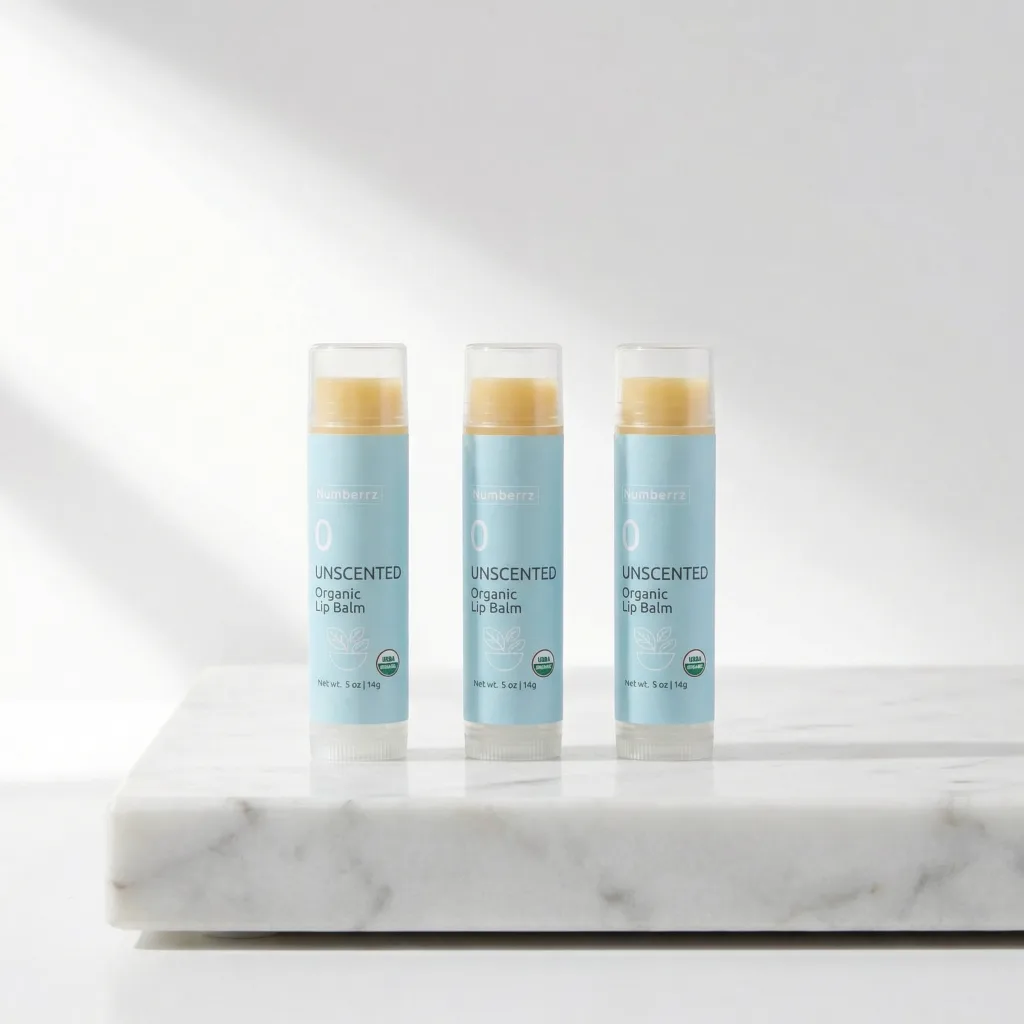
Numbrrrz Organic Lip Balm

Numbrrrz

Organic Lip Balm

Ingredients4
Flagged0
Safety Score10/10
Shop Numbrrrz Instead
View full ingredient analysis
La Roche-Posay Toleriane Double Repair UV SPF 30

La Roche-Posay Toleriane Double Repair UV SPF 30

La Roche-Posay

Ingredients14
Flagged5
Safety Score3/10
Numbrrrz Organic Lip Balm

Numbrrrz

Organic Lip Balm

Ingredients4
Flagged0
Safety Score10/10
Shop Numbrrrz Instead
View full ingredient analysis
La Roche-Posay Effaclar Duo

La Roche-Posay Effaclar Duo

La Roche-Posay

Ingredients13
Flagged4
Safety Score4/10
Numbrrrz Organic Lip Balm

Numbrrrz

Organic Lip Balm

Ingredients4
Flagged0
Safety Score10/10
Shop Numbrrrz Instead
View full ingredient analysis
La Roche-Posay Anthelios Mineral SPF 50

La Roche-Posay Anthelios Mineral SPF 50

La Roche-Posay

Ingredients12
Flagged2
Safety Score7/10
Numbrrrz Organic Lip Balm

Numbrrrz

Organic Lip Balm

Ingredients4
Flagged0
Safety Score10/10
Shop Numbrrrz Instead
View full ingredient analysis
La Roche-Posay Cicaplast Baume B5

La Roche-Posay Cicaplast Baume B5

La Roche-Posay

Ingredients15
Flagged2
Safety Score6/10
Numbrrrz Organic Lip Balm

Numbrrrz

Organic Lip Balm

Ingredients4
Flagged0
Safety Score10/10
Shop Numbrrrz Instead

Get Your Free Ingredient Safety Report

Enter your email and we'll send you a personalized breakdown of the most common harmful ingredients in your daily products.

Flagged Ingredients in La Roche-Posay Products

We found 8 different ingredients of concern across La Roche-Posay's product line. Each one links to a full safety analysis with details on health risks, regulatory status, and which other brands use the same ingredient.

8

Oxybenzone

A chemical UV filter found in many sunscreens and SPF-containing cosmetics. It absorbs UVA and UVB radiation but is a known endocrine disruptor, coral reef toxin, and one of the most frequently detected chemicals in human blood and urine.

In 1 of 5 La Roche-Posay products60
Hormone Disruptor
6

Homosalate

A chemical UV filter that absorbs UVB radiation. Used in sunscreens and SPF cosmetics, homosalate is an endocrine disruptor that breaks down into more toxic byproducts under UV exposure.

In 2 of 5 La Roche-Posay products60, 30
Hormone Disruptor
6

Polyethylene Glycol (PEG Compounds)

A family of petroleum-derived compounds used as emulsifiers, thickeners, solvents, and penetration enhancers. PEGs themselves are relatively low-toxicity, but they are frequently contaminated with ethylene oxide (a known carcinogen) and 1,4-dioxane.

In 1 of 5 La Roche-Posay productsDuo
5

Avobenzone

One of the few chemical UV filters that provides good UVA protection. However, it is photounstable, breaking down rapidly under UV light and losing effectiveness within 30 minutes unless stabilized by other chemicals.

In 2 of 5 La Roche-Posay products60, 30
5

BHT (Butylated Hydroxytoluene)

A synthetic antioxidant closely related to BHA, used to prevent oxidation in cosmetics and food. Less studied than BHA but shares some endocrine disruption concerns.

In 1 of 5 La Roche-Posay products60
Hormone Disruptor
5

Propylene Glycol

A synthetic liquid used as a humectant, solvent, and penetration enhancer in cosmetics. While considered safe at low concentrations, it is a skin irritant at higher levels and enhances absorption of other ingredients — including harmful ones.

In 2 of 5 La Roche-Posay products30, Duo
4

Dimethicone

A silicone-based polymer widely used in cosmetics and skincare for its smoothing, water-repellent properties. Not toxic in itself, but creates a synthetic barrier that can trap impurities, clog pores, and is not biodegradable.

In 5 of 5 La Roche-Posay products60, 30, Duo +2
4

Phenoxyethanol

A glycol ether used as a preservative in cosmetics, often marketed as a 'safer' alternative to parabens. At regulated concentrations (up to 1%), it is generally well tolerated, but higher concentrations can cause irritation and are toxic to infants.

In 5 of 5 La Roche-Posay products60, 30, Duo +2

FAQ

Who owns La Roche-Posay?
La Roche-Posay is owned by L'Oréal, the world's largest beauty company. It was acquired by L'Oréal in 1989 and sits within L'Oréal's Active Cosmetics division alongside CeraVe, Vichy, and SkinCeuticals. The brand's formulations are developed in partnership with dermatologists and are often sold through pharmacies in Europe.
What is La Roche-Posay thermal spring water?
La Roche-Posay thermal spring water is naturally selenium-rich water sourced from springs in the town of La Roche-Posay, France. The brand includes this water in many of its products and claims it has soothing and antioxidant properties. While thermal spring water is a natural ingredient, it is combined with many synthetic ingredients in the brand's actual product formulations.
Does La Roche-Posay use chemical sunscreens?
Yes, many La Roche-Posay sunscreen products, particularly those sold in the United States, contain chemical UV filters like avobenzone, homosalate, octisalate, and octocrylene. European formulations may use different UV filter systems including Mexoryl SX and XL, which are L'Oréal-patented chemical UV filters. The brand also offers some mineral sunscreen options with zinc oxide and titanium dioxide.
Numbrrrz strawberry lip balm — no secrets, full transparency

Looking for a Cleaner Alternative?

Numbrrrz lip balm scores 10/10 with only four organic, food-grade ingredients.