Sustainability in Beauty Packaging: What's Changing in 2026
The beauty industry produces over 120 billion units of packaging annually. Here's how brands and consumers are pushing for change.
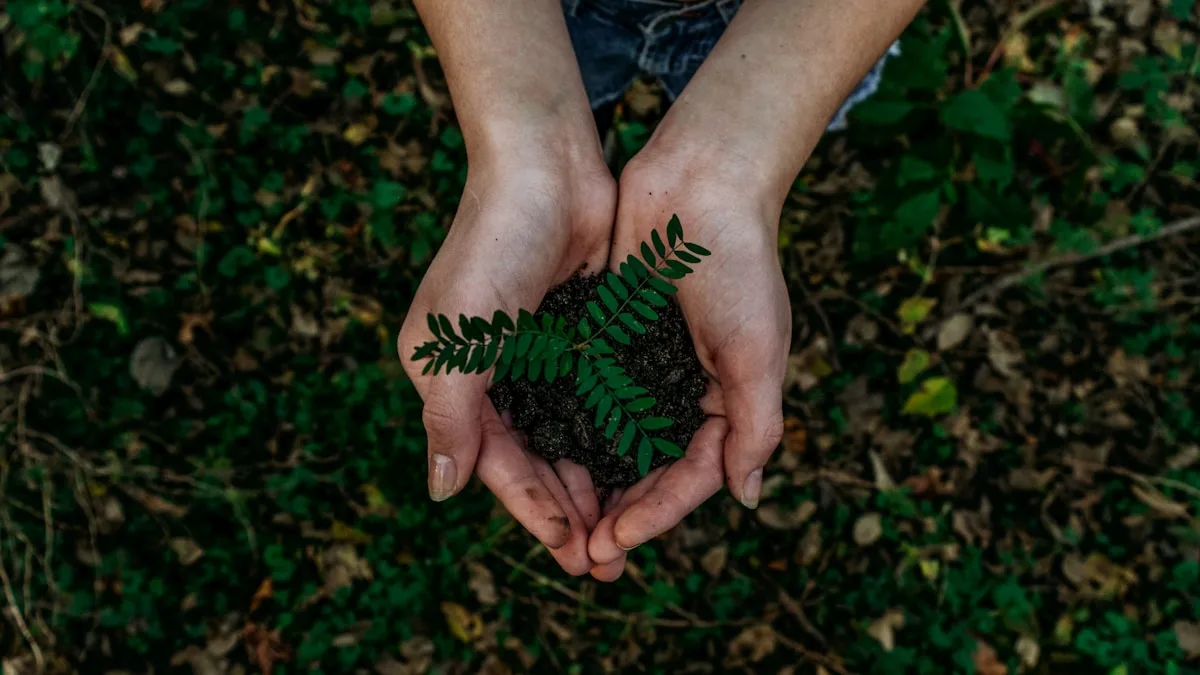
The beauty industry's packaging problem is massive, and the numbers put it in stark perspective: the global beauty industry produces over 120 billion units of packaging per year, and the vast majority ends up in landfills or oceans. But 2026 is shaping up to be a turning point, with both brands and consumers demanding better.
Several major trends are converging to drive change. First, consumers are increasingly factoring packaging into their purchase decisions. Surveys show that 73% of millennials and Gen Z consumers are willing to pay more for products with sustainable packaging. This isn't just stated preference — it's reflected in actual purchasing behavior, with sustainably packaged products outperforming conventional alternatives in multiple categories.
Second, regulatory pressure is mounting. The EU's Packaging and Packaging Waste Regulation is setting ambitious recycling targets, and similar legislation is advancing in North America and Asia. Brands that don't adapt risk not just consumer backlash but regulatory non-compliance. The smart ones are getting ahead of the curve rather than scrambling to catch up.
Innovation in packaging materials is accelerating too. Biodegradable plastics derived from sugarcane and cornstarch, refillable container systems, and package-free product formats are all gaining traction. In the lip care space specifically, brands are experimenting with compostable tubes, recyclable cardboard packaging, and concentrated formulas that require less packaging overall.
The message from both consumers and regulators is clear: the days of excessive, single-use beauty packaging are numbered. Brands that embrace sustainable packaging aren't just doing the right thing environmentally — they're positioning themselves for long-term success in a market that increasingly rewards responsibility.
Sustainability is core to the Numbrrrz mission. We use recyclable cardboard packaging, minimal wrapping, and carbon-conscious shipping. No single-use plastic wraps, no excess — just thoughtful packaging that respects the planet.